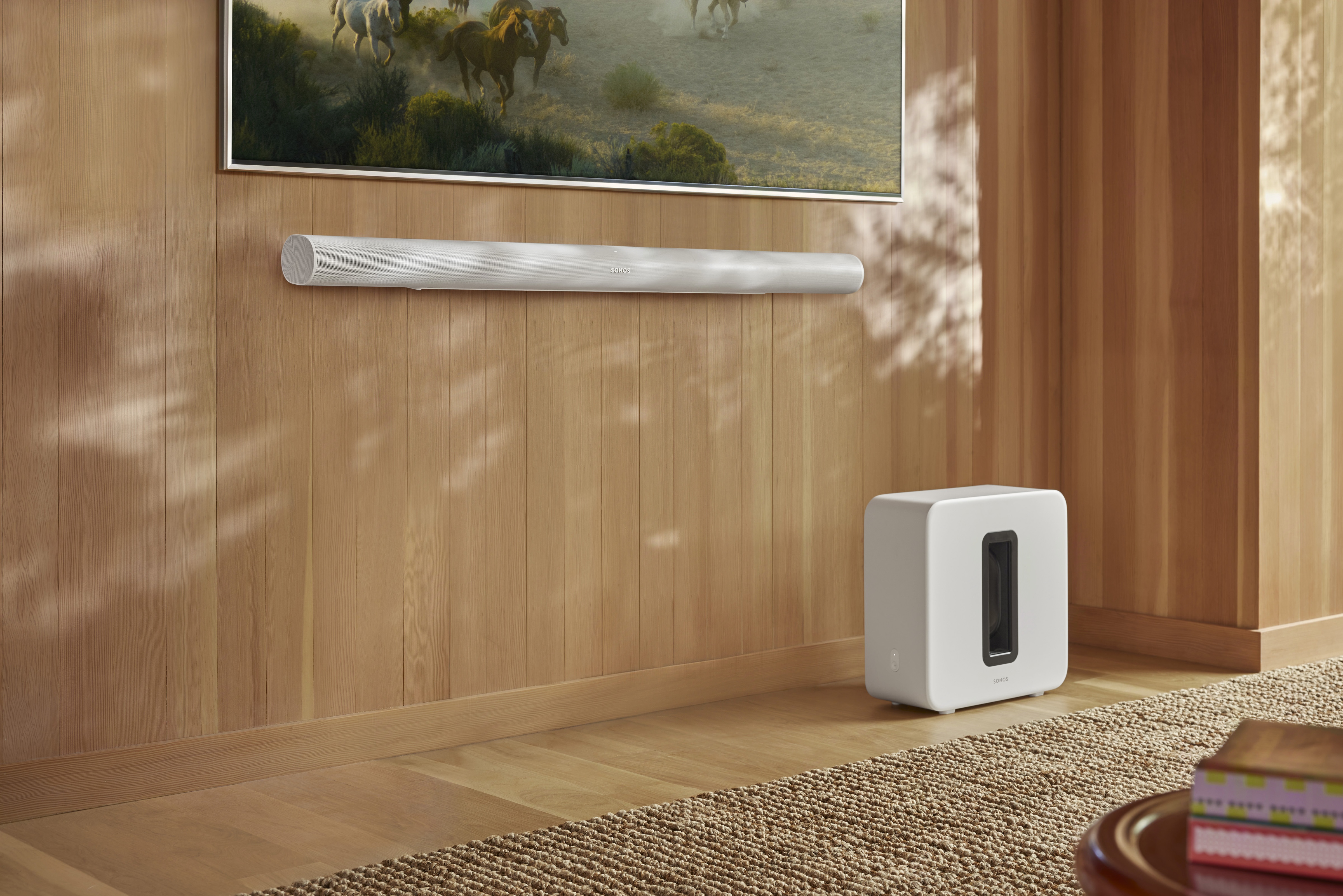
Beam vs Arc Ultra - The Real Decision Guide
Published 2026-02-12
Atmos expectations vs reality, and why Arc Ultra is wasted in more rooms than people admit. This is about fit, not flex.
The blunt headline
Arc Ultra is not an automatic upgrade. Beam is good enough for most rooms, and Atmos only works when the room geometry allows it. If your daily viewing is mostly dialogue-heavy TV, clarity beats spectacle.
Atmos expectations vs reality
Dolby Atmos on soundbars relies on upward-firing drivers, ceiling reflections, and room geometry. Miss the room requirements and Atmos becomes subtle, sometimes very subtle.
The basics are simple: a flat, reflective ceiling, roughly 2.3–3m high, a room with some width, and seating that is not shoved against the back wall. If the TV wall is crammed into an alcove, the height effects lose most of their impact.
Room width and seating distance
Narrow rooms
Arc Ultra’s width advantage is reduced and the soundstage collapses inward. Beam performs closer to its ceiling.
Wide rooms
Arc Ultra pulls away when you have a wide TV wall and seating 2.5m+ back.
Ceiling height (the silent dealbreaker)
| Ceiling height | What happens |
|---|---|
| Under 2.3m | Atmos effects feel cramped and vague |
| Around 2.4m | Arc Ultra can work; Beam still strong |
| 2.7m+ | Arc Ultra finally stretches its legs |
Dialogue vs spectacle
Beam strengths
Beam keeps dialogue clear and focused, and it holds together at low volume. For everyday TV, news, and drama, that tends to matter more than a wider soundstage.
Arc Ultra strengths
Arc Ultra delivers more scale, a broader front stage, and heavier impact in action scenes. It shines when the room is wide enough to let the bar breathe.
The Sub factor (this changes everything)
Adding a Sub improves dialogue, cleans mids, and adds impact without extra volume. Beam + Sub often sounds better than Arc Ultra on its own. If budget forces a choice: Beam + Sub wins.
When Arc Ultra is genuinely worth it
Arc Ultra earns its price when the room is medium to large, the TV wall is wide, the ceiling is flat, and seating is not pushed against the back wall. If you watch films regularly and plan to add a Sub, the upgrade makes sense.
When Arc Ultra is wasted
Arc Ultra feels underwhelming in small or narrow rooms, low or sloped ceilings, tight seating, or when the system is used mostly for TV shows at lower volume. If you are not adding a Sub, Beam is usually the better experience.
Planner tie-in (don’t decide blind)
Use the Sonos Planner to assess room width, ceiling height, and seating distance before choosing Beam or Arc Ultra.
Real-world setups that work
Most homes
Beam + Sub Mini + optional surrounds.
Large living room
Arc Ultra + Sub + surrounds.
Flat with shared walls
Beam + Sub Mini (bass controlled).
Final verdict
Arc Ultra is the better bar in the right room. Beam is the better bar in most rooms. Atmos is geometry, not magic, and dialogue clarity wins most days. Plan the room first, then pick the bar.
Ready for a plan you can trust?
Build a tailored Sonos setup in minutes. No guesswork, no overspend.
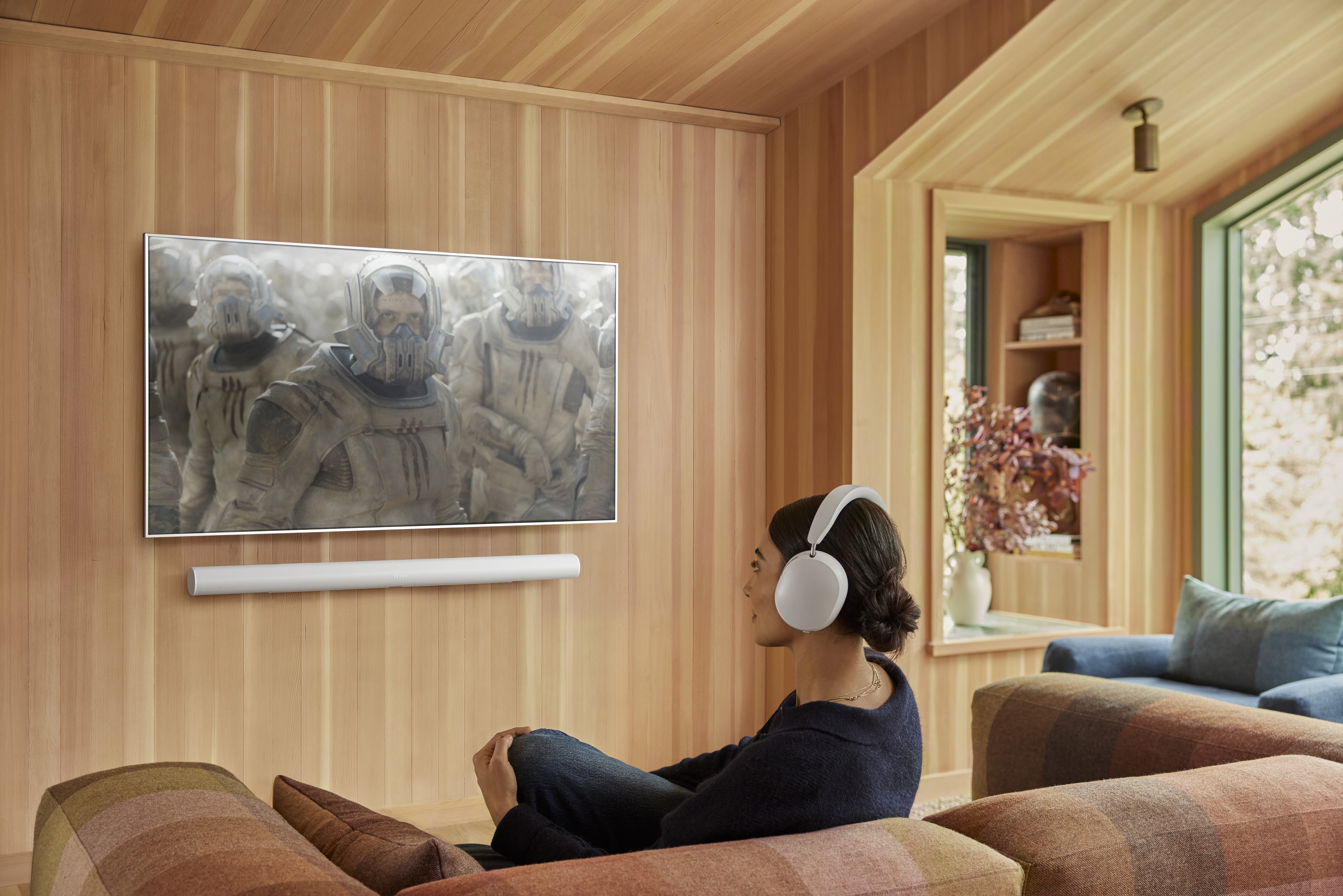
Plan your Sonos system with confidence
Use the Sonos Properly planner to build a system that fits your rooms and the way you listen.
- A tailored system plan that fits your rooms and listening style.
- A value-led alternative that respects budget without cutting corners.
- An Ultimate option for maximum impact and future flexibility.