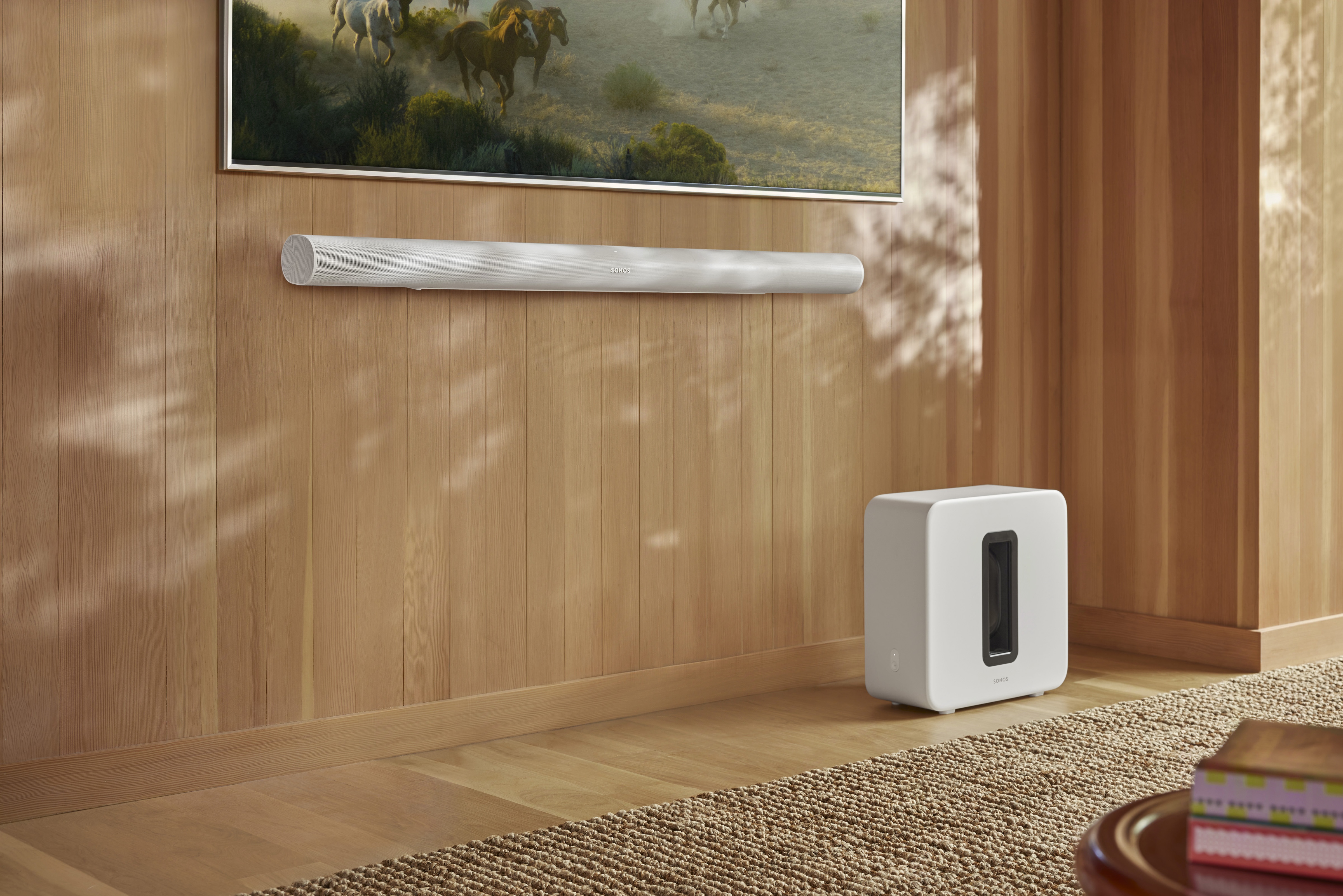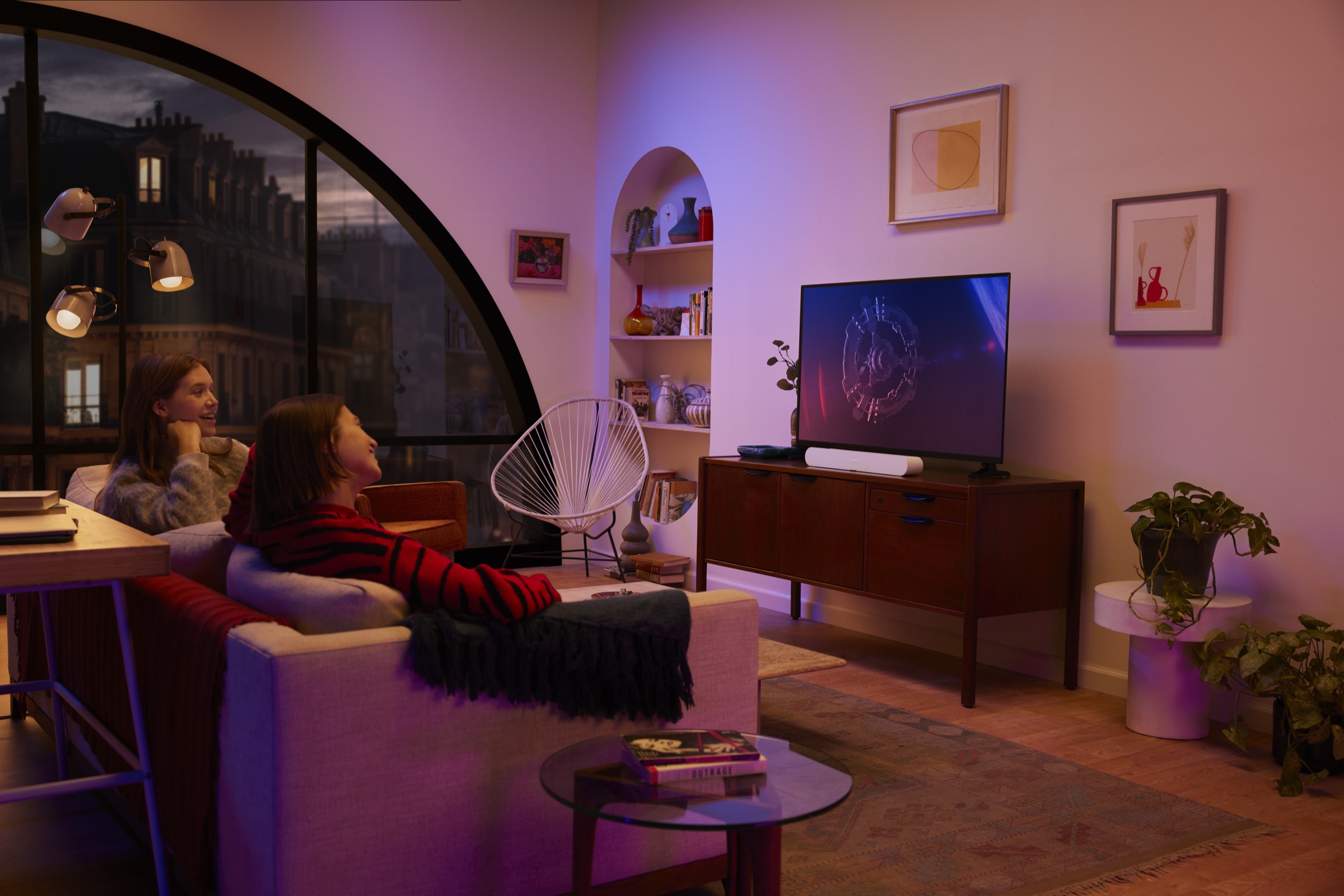
Building a Sonos System on a Budget
Published 2026-01-08
Sonos is premium kit, but premium does not mean you have to overspend. Most people who think Sonos is too expensive did not choose badly. They expanded badly.
First principle: not every room deserves a speaker
Ask one blunt question for each room: will I actually choose to play music here, or is this just because I can?
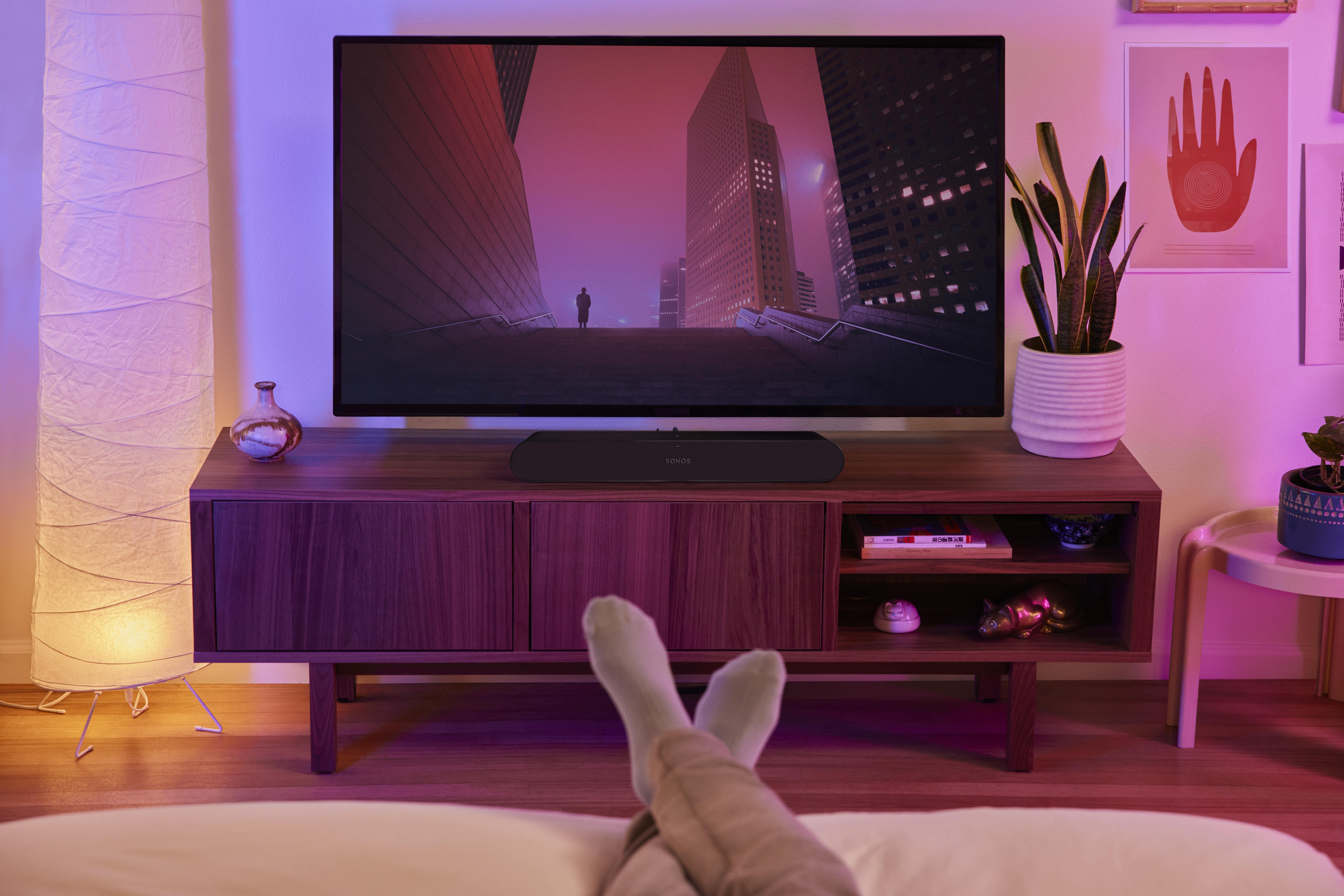
Usually skip
Hallways, utility rooms, guest bedrooms, spare rooms, and loos rarely deserve dedicated speakers.
Usually worth it
Living room, kitchen, main bedroom, a daily-use office, and a garden you actually use are the rooms that usually earn the spend.
Every skipped room funds better sound where it matters.
Start with one great room, not five mediocre ones
Good budget-first approach: one main speaker or stereo pair in the room you use most, then expand later.
Bad approach: one speaker per room, no stereo, no bass, no upgrade headroom.
The smartest money-saving speaker choices
One vs One SL: save money where microphones do not matter
Same sound, no mic, cheaper. That makes One SL perfect for surrounds and secondary rooms.
Stereo pair beats a single big speaker
Two One SLs often beat one larger speaker, with a wider soundstage, better clarity at lower volume, and more flexible placement.
Do not default to the biggest model
Large speakers can be overkill in small rooms, and you often pay more only to turn the bass down anyway.
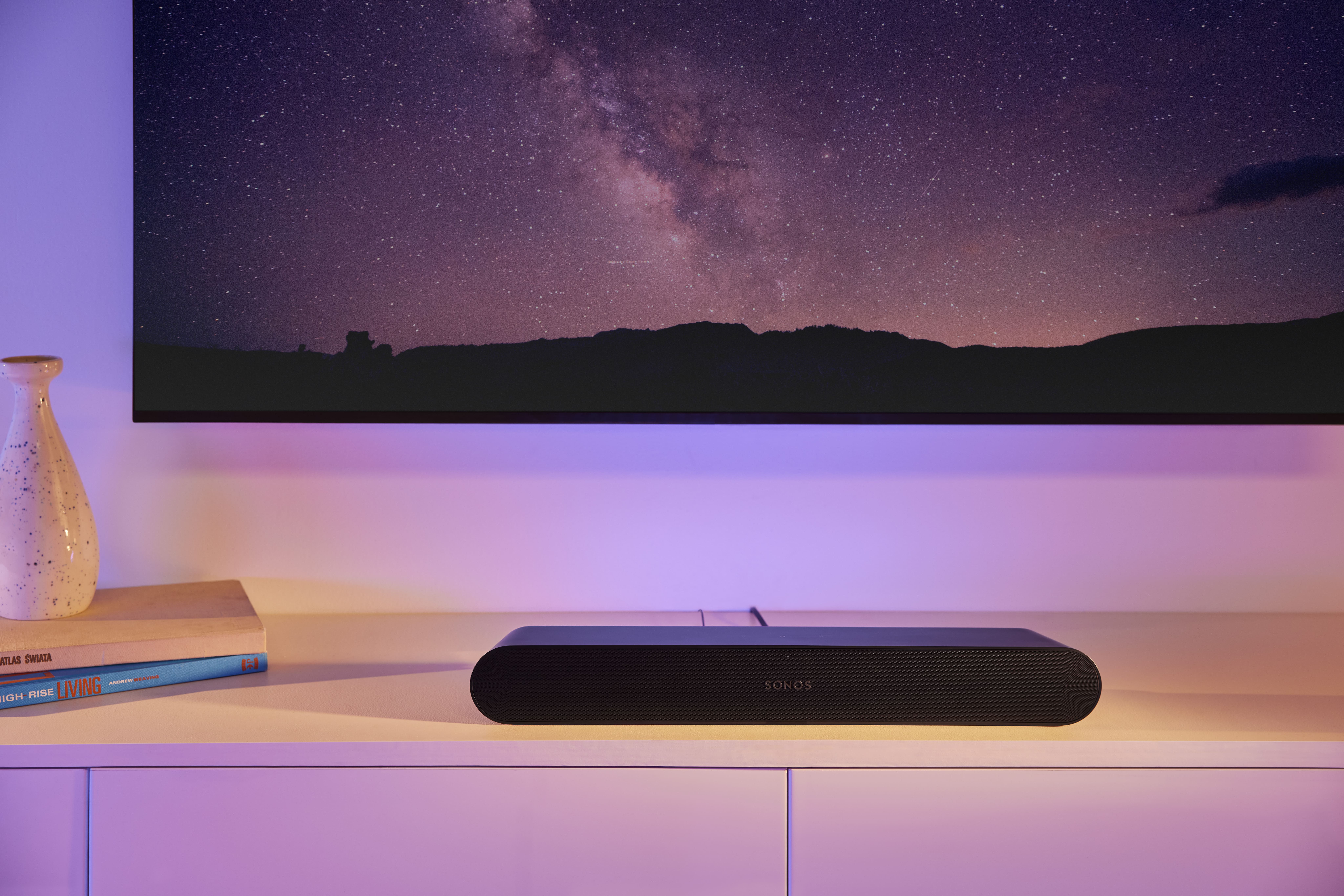
One vs One SL vs Symfonisk (comparison)
| Model | Best for | Trade-offs |
|---|---|---|
| One | Voice control in main rooms | Costs more for mics you may not use |
| One SL | Surrounds and secondary rooms | No voice assistants |
| Symfonisk | Budget surrounds and extra rooms | Less ideal for main music room |
IKEA Symfonisk: the budget secret weapon
Symfonisk is fully Sonos-compatible and surprisingly good for surrounds, bedrooms, offices, and secondary rooms. It is less ideal as the main music room if sound quality matters most.
Refurbished Sonos: underrated and usually flawless
Refurbs are tested, cleaned, covered by warranty, and often 15–30% cheaper than new. They are perfect for One SLs, Subs, and secondary rooms.
Delay the Sub, but do not forget it
Skip the Sub initially if budget is tight, but plan to add it later because it transforms the system. Sub Mini is often enough and cheaper.
Phased expansion: the cheapest way to build properly
- Phase 1: soundbar or stereo pair in the main room.
- Phase 2: surrounds or a second room.
- Phase 3: Sub Mini first, full Sub only if room size justifies it.
Avoid the upgrade twice trap
Do not buy a small soundbar you already plan to replace, and do not buy voice models everywhere just in case. Spend on the core, save on peripherals.
Budget Wi-Fi mistakes that cost more later
Avoid cheap extenders and inconsistent networks. Overcrowded 2.4 GHz networks create dropouts. Fix Wi-Fi once rather than working around it.
If you struggle with dropouts, see the connectivity guide.
Real-world budget Sonos setups that work
Flat / small home
Beam Gen 2 + Sub Mini (later) + Symfonisk surrounds.
Music-first on a budget
Stereo pair of One SLs, add a second room later.
TV upgrade without going broke
Beam, no Sub initially, add Sub Mini when budget allows.
The honest budget mindset
Spend where you listen, save where you do not, expand slowly, and resist impulse upgrades.
Sonos is not cheap audio, but it holds value, scales cleanly, and rewards patience. Build the core first, then grow without regret.
Ready for a plan you can trust?
Build a tailored Sonos setup in minutes. No guesswork, no overspend.
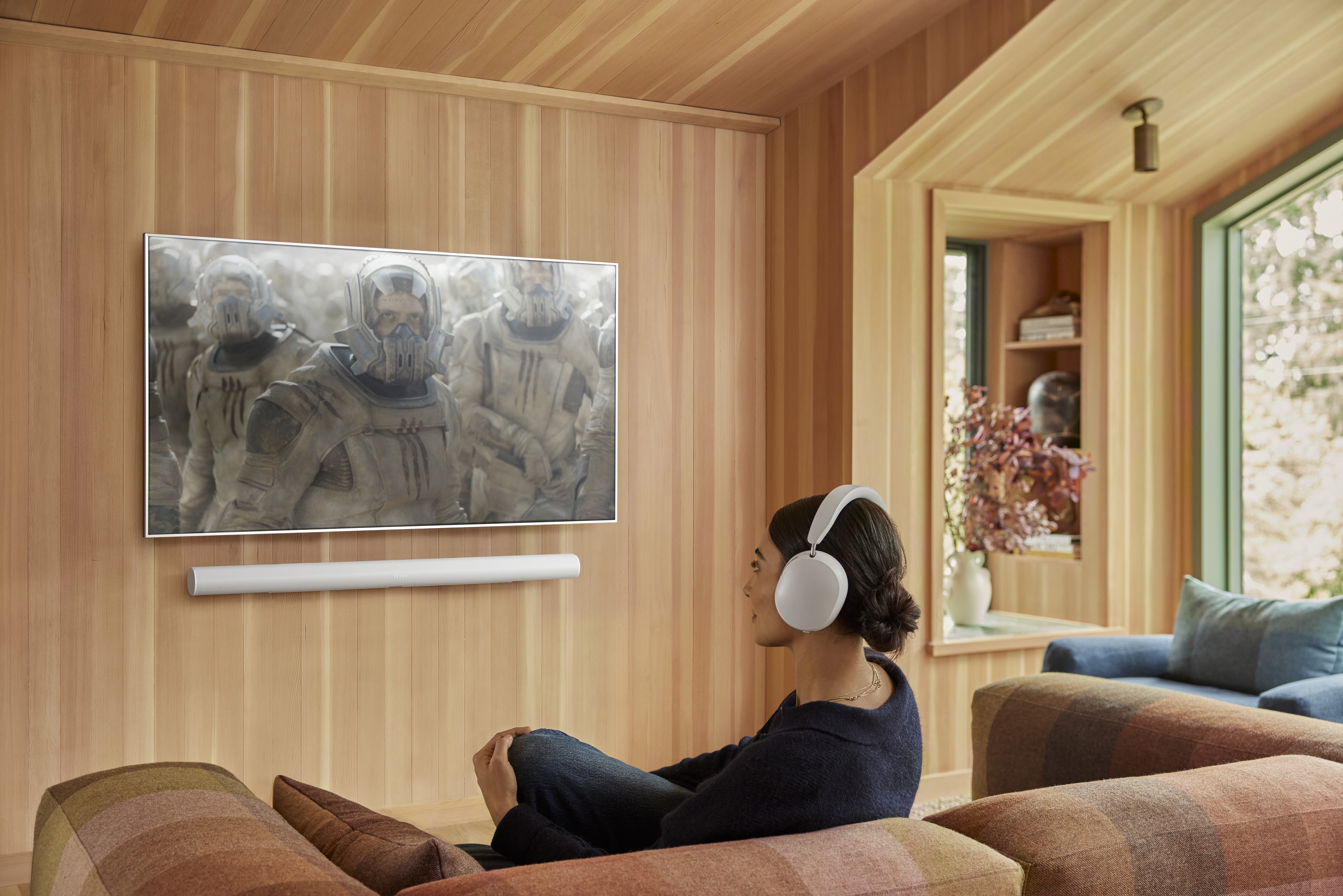
Plan your Sonos system with confidence
Use the Sonos Properly planner to build a system that fits your rooms and the way you listen.
- A tailored system plan that fits your rooms and listening style.
- A value-led alternative that respects budget without cutting corners.
- An Ultimate option for maximum impact and future flexibility.