Sonos in 2026 - Rumours, Predictions & What We Really Want
Published 2025-12-29
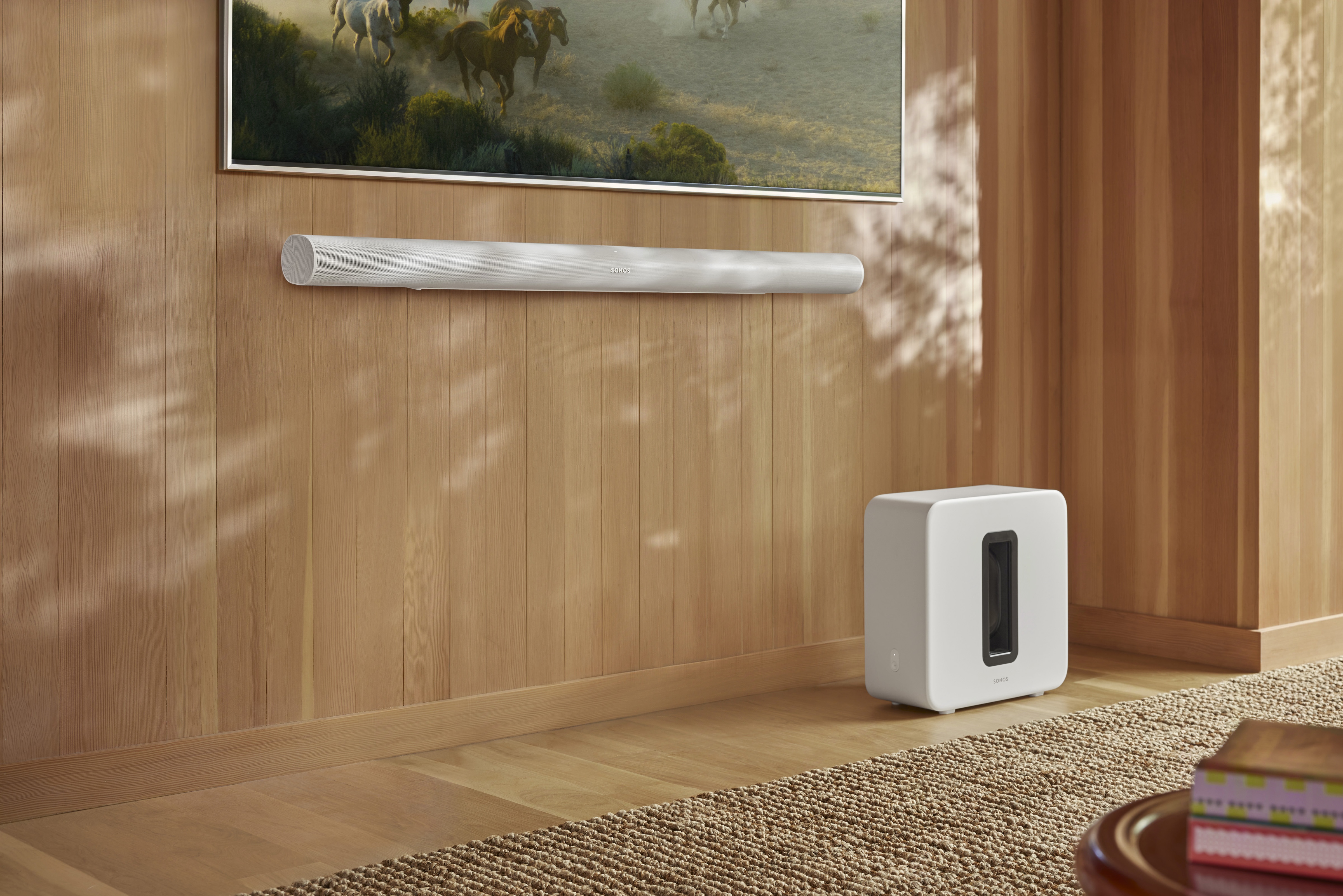
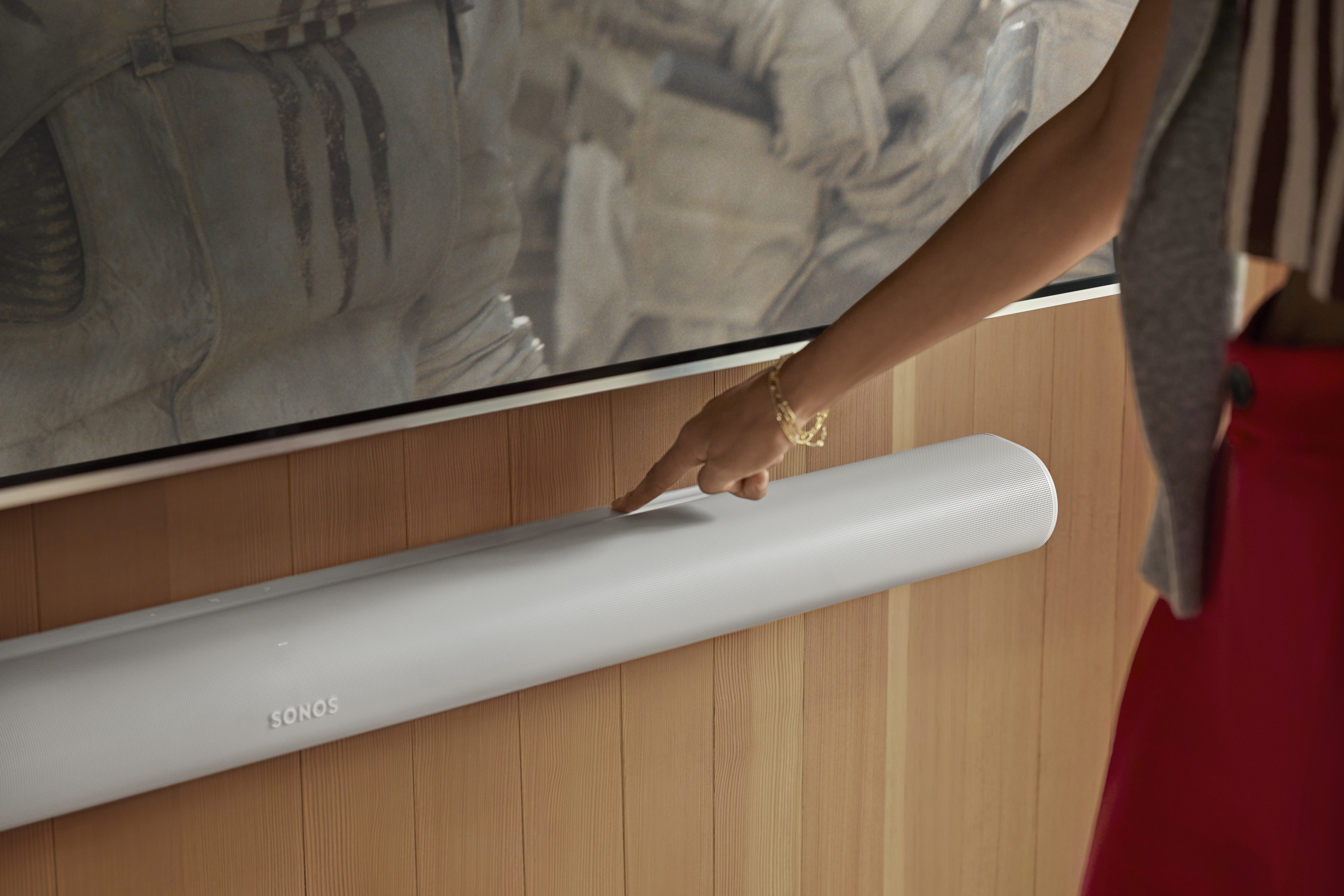
Sonos has been quiet on hardware since the Arc Ultra and Sub 4 in late 2024. 2025 felt slower than expected, with more energy spent on software stability, app quality, and voice improvements. Reports point to new hardware pushed into fiscal Q2 2026 as Sonos bets on experience quality before new boxes.
Here is a reasoned view of what might arrive, what makes sense, and what we would actually like to see.
1) More modular and flexible home theatre
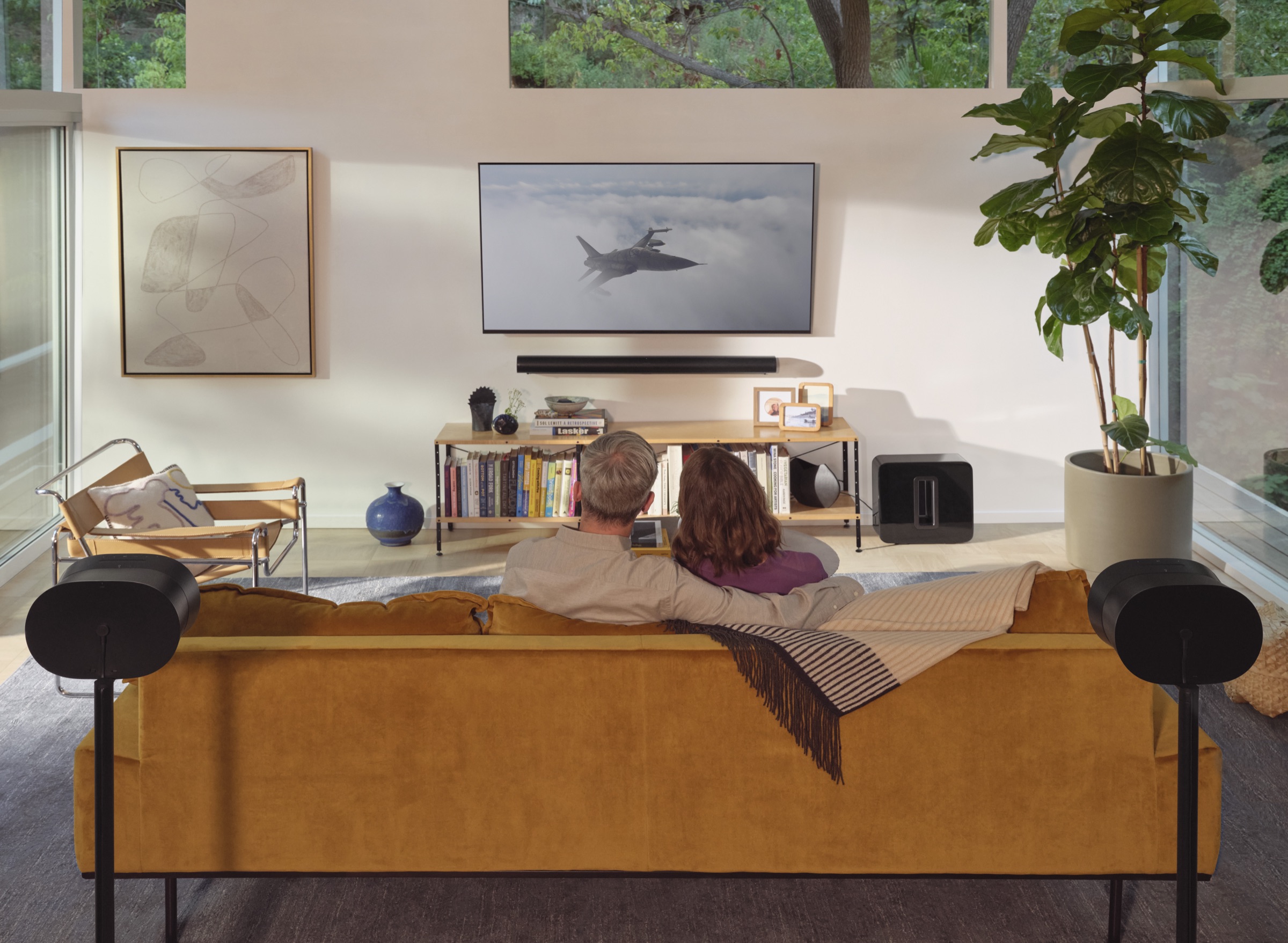
The most consistent rumour is a multi-channel amp or processor that goes beyond the current soundbar plus surrounds plus two subs limit. Enthusiasts want a modern AVR style hub so they can wire in front left and right, real height channels, and more than two surrounds.
This matters because Arc Ultra still cannot deliver true 7.1 or 9.1 layouts without workarounds. A dedicated Sonos AVR would unlock proper channel mapping, wired surrounds, and serious front speakers.
What we want is simple: a Sonos AVR that can decode multichannel formats, handle HDMI inputs and outputs, and offer real room correction. If Sonos wants to win serious home theatre builders, this is the gap to close.
2) New speaker generations and lineup refreshes
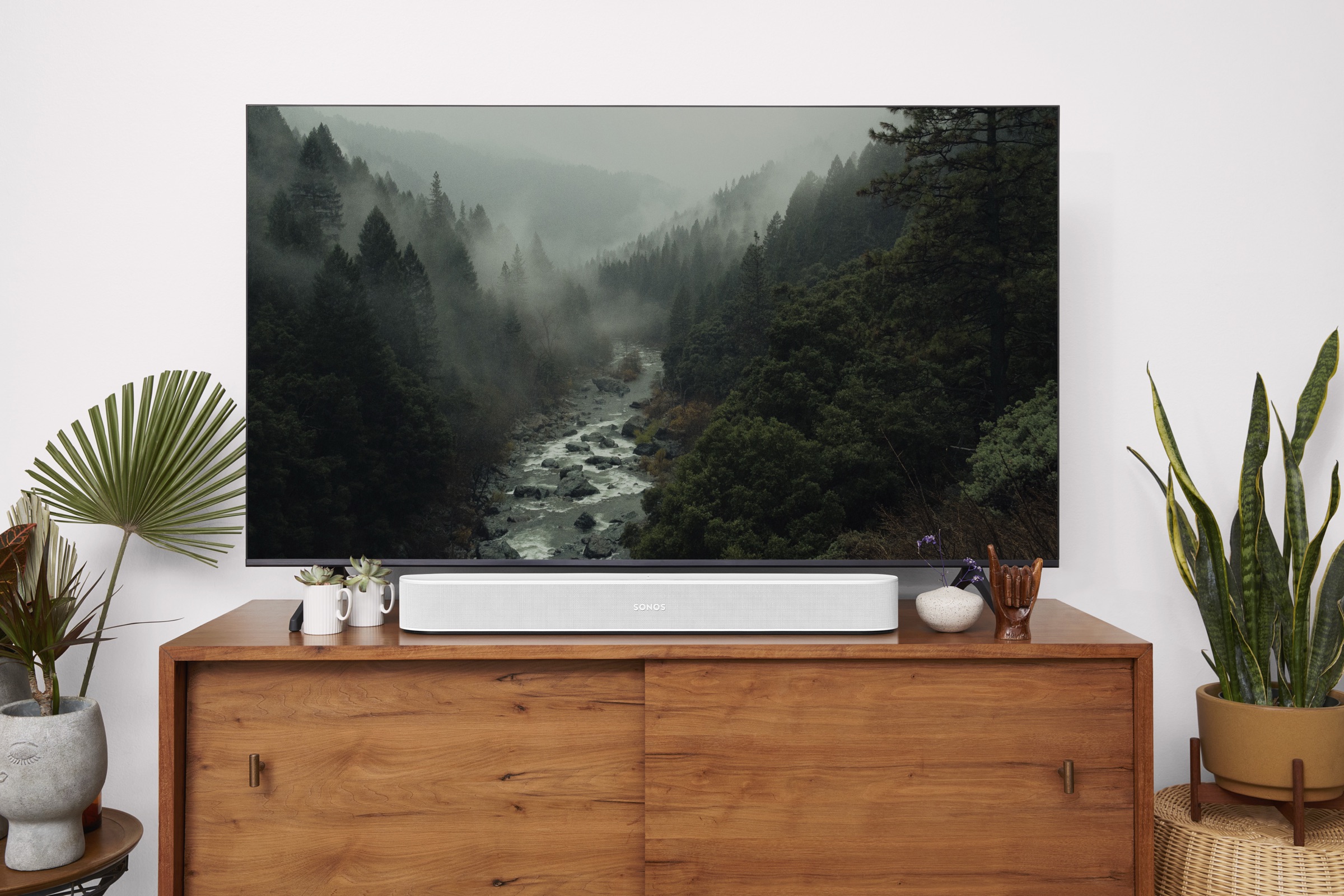
Community chatter points to an Era 500 between Era 100 and Era 300, a Beam successor with stronger Atmos, and a Sub Mini refresh. There is also a long-running rumour about a Sonos streaming box, though that appears deprioritised under current leadership.
Reality check: Sonos has been publicly focused on software quality and voice. If new hardware arrives, expect incremental refinements, not a total reinvention.
| Potential product | Why it makes sense | What we want |
|---|---|---|
| Era 500 | A true flagship between 100 and 300 | Higher fidelity and better spatial DSP |
| Beam Gen 3 | Core soundbar refresh cycle | Stronger Atmos without larger footprint |
| Sub Mini 2 | Better pairing with Beam and Era 100 | Smoother tuning and calibration tools |
3) True wireless, portable, or micro Sonos speakers
There is still a gap below Era 100 and above Roam. Enthusiasts keep calling for a small Wi-Fi and BLE hybrid speaker that can be placed anywhere as a low-cost entry point.
The logic is clear: easier multi-room deployment, more entry-level access, and better placement options for small spaces. A compact speaker that doubles as a smart mic hub would be a smart move.
4) Real Atmos height modules or add-ons
Sonos relies on soundbar height reflection today. A common complaint is the lack of discrete height channels. Wireless height add-ons would move Sonos closer to true object-based theatre without forcing a full AVR stack.
The dream is a compact pair of height modules that connect as easily as surrounds and price sensibly against an Arc Ultra plus Sub system.
5) Streaming box or home AV hub
The Pinewood streaming box has been widely discussed but appears shelved. Even so, Sonos still lacks a native AV hub for HDMI switching, multichannel decoding, and low-latency TV audio across rooms.
We would rather see a system-native hub than a clunky set-top box. If Sonos revisits this, the product must feel like part of the platform, not a bolt-on.
6) Better AI and voice control
Public reporting suggests a stronger push toward AI and voice features. That could mean smarter discovery, predictive playlists, and better cross-device handoff from Move to home speakers.
If Sonos nails this layer, hardware refreshes feel meaningful instead of incremental. A unified voice system that understands intent and context would be the real platform play.
7) Price pressures and tiered offerings
Sonos has raised prices recently, likely from tariffs and component costs. A cleaner tiered lineup would help defend the premium end while offering real entry points for new buyers.
The balance we want is simple: high-end gear should feel premium, entry-level products should feel honest, and the middle should not be confused.
8) Curveballs we would love to see
True modular surround pods
Small satellite pods that clip onto walls or furniture with low latency mesh audio. This would enable real object-based placement without relying on a soundbar trick.
Integrated smart home audio mesh
A Sonos-branded mesh that doubles as a network layer. Audio, voice, and IoT would benefit from the same backbone, and Wi-Fi stability improves at the same time.
Micro Atmos transducers
Tiny drivers that create localized height cues without needing perfect room geometry. This would be a real hardware shift, not a spec bump.
What probably happens in 2026
Expect incremental speaker refreshes, a push on AI and voice features, and possibly a more modular home theatre product. A streaming box still feels unlikely early in the year given the current focus on software.
Final take
2026 feels like a transitional year. The most meaningful gains will come from software depth, voice reliability, and flexibility in home theatre. If Sonos gets the experience right first, new hardware will finally feel like real upgrades rather than minor bumps.
Ready for a plan you can trust?
Build a tailored Sonos setup in minutes. No guesswork, no overspend.
Plan your Sonos system with confidence
Use the Sonos Properly planner to build a system that fits your rooms and the way you listen.
- A tailored system plan that fits your rooms and listening style.
- A value-led alternative that respects budget without cutting corners.
- An Ultimate option for maximum impact and future flexibility.