How to plan a Sonos system for your home layout
Published 2025-12-19
Your home’s layout has more impact on a Sonos system than the specific speakers you buy. Poor planning leads to rooms that feel too loud, too quiet, or strangely disconnected.
Sonos is often marketed as infinitely flexible, but real homes impose real constraints. Walls, sightlines, open spaces, and daily movement patterns all shape how sound travels.
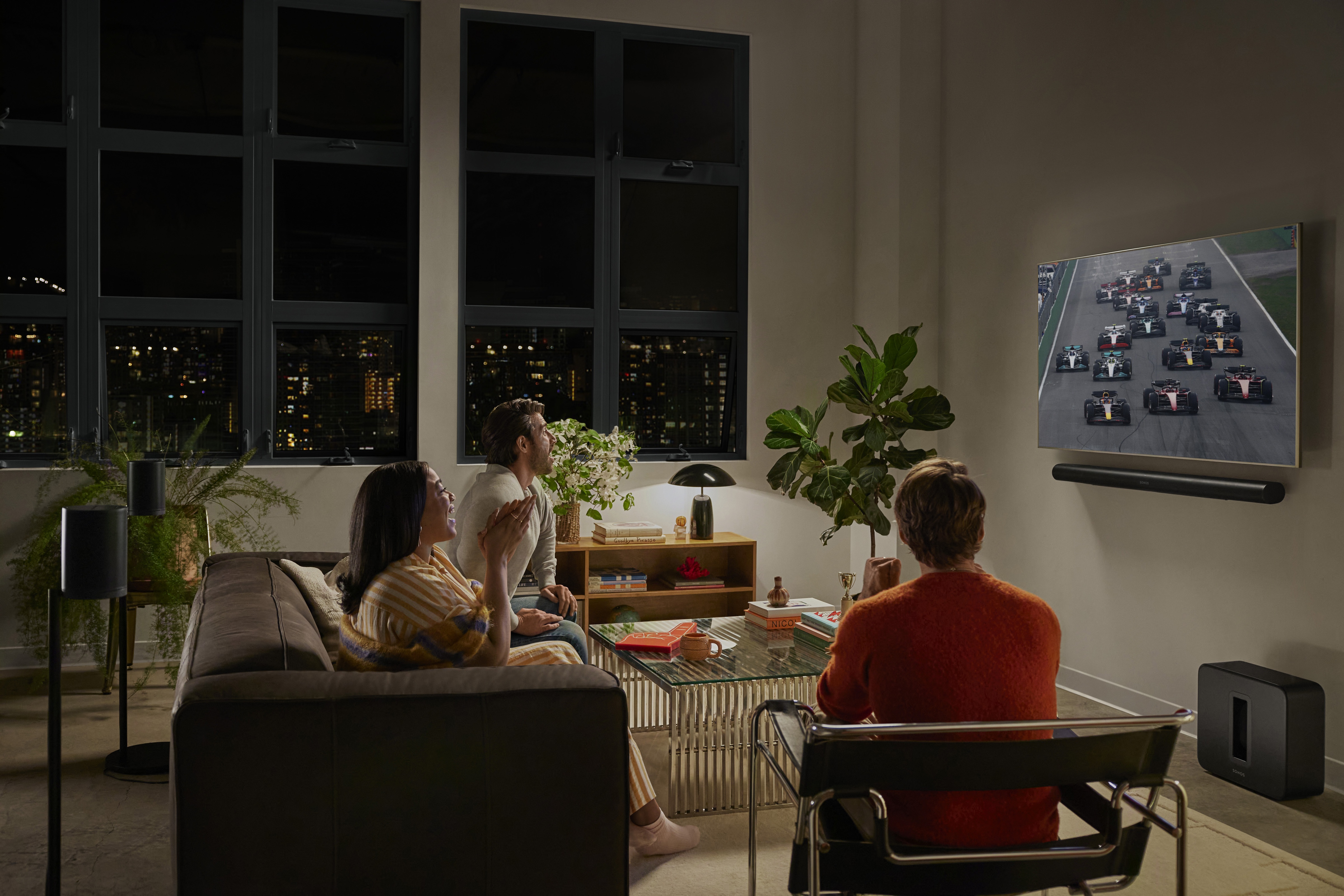
This guide shows how to plan a Sonos system around your home’s layout so it feels balanced, intuitive, and easy to evolve over time.
1. Start with how you move through the house
Good system planning starts with behaviour, not equipment. Think about how you move through your home during a normal day.
- Which rooms are passed through frequently?
- Where do you stop and spend time?
- Which rooms are used together?
This reveals where continuous audio matters and where silence is acceptable.
2. Treat open-plan areas as intentional zones
Open-plan spaces are the most common source of imbalance. Treating them as multiple unrelated rooms usually leads to uneven volume.
- Group connected kitchen, dining, and living areas conceptually.
- Distribute speakers evenly rather than concentrating them in one spot.
- Avoid solving coverage issues with sheer volume.
The goal is consistency as you move, not a single loud focal point.
3. Separate TV-first and music-first spaces
Layout planning improves dramatically once you stop trying to make every room behave the same way.
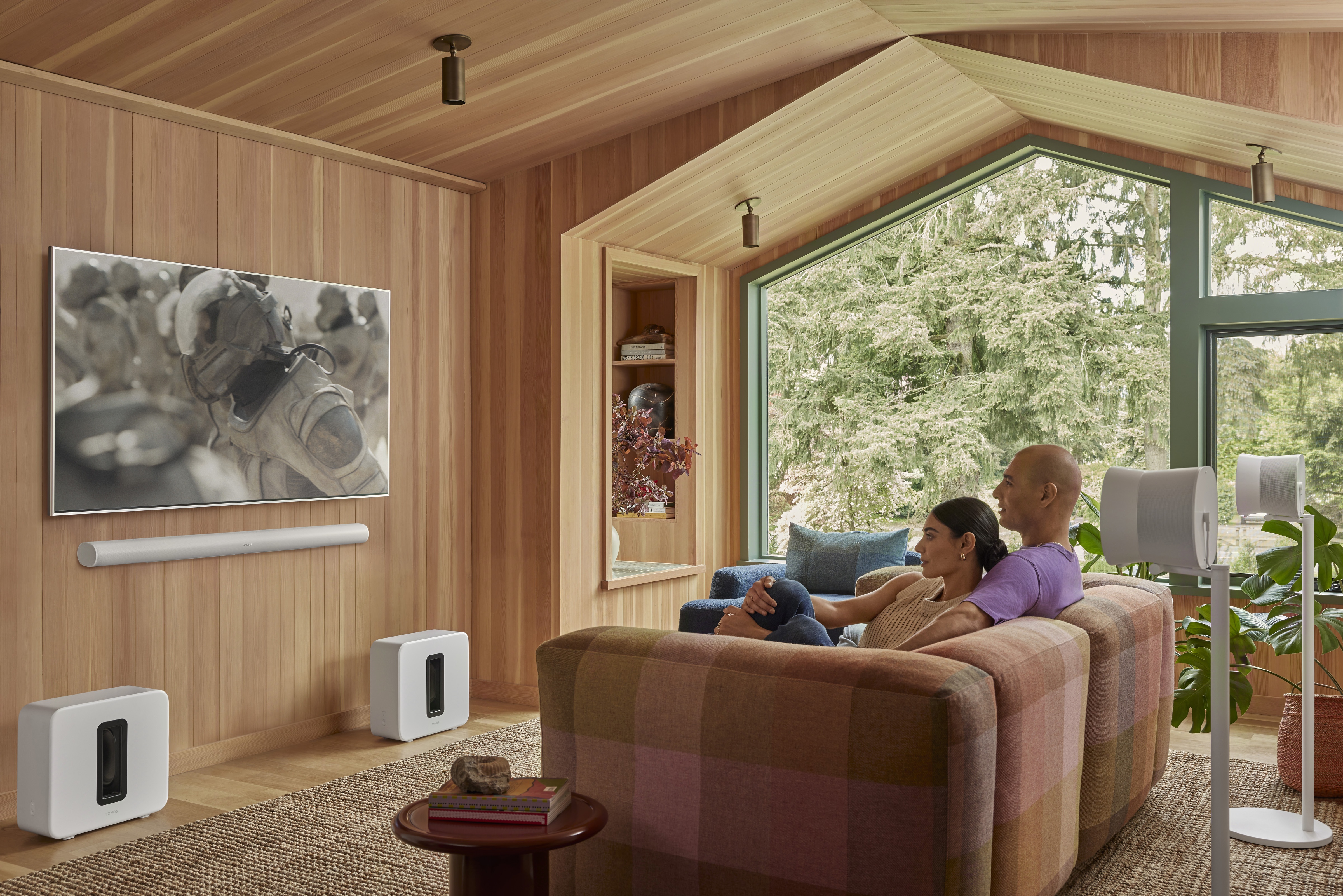
- TV rooms need clear dialogue and focused sound.
- Music-first rooms prioritise coverage and balance.
- Some rooms only need light background audio.
These roles should be reflected in how zones are grouped and expanded.
4. Use zones to reduce complexity, not increase it
Zones are powerful, but too many can make the system harder to live with.
- Combine rooms that are almost always used together.
- Keep independent zones for rooms with distinct purposes.
- Avoid creating zones “just in case”.
Simplicity improves daily use far more than theoretical flexibility.
5. Plan expansion paths, not final perfection
Most Sonos systems grow over time. Good layout planning makes that growth painless.
- Leave physical and conceptual space for adding speakers later.
- Expect rooms to change purpose over the years.
- Don’t overcommit to a single layout on day one.
A flexible plan prevents costly rework.
6. Accept that not every room needs sound
One of the most underrated planning decisions is where not to add audio.
- Some rooms benefit from quiet.
- Transitional spaces don’t always need speakers.
- Fewer speakers can result in a calmer, more intentional system.
Restraint is often what makes a system feel well designed.
Planning a Sonos system around your home layout isn’t about maximising coverage. It’s about creating a system that feels natural as you live with it.
If you want help turning your layout into a clear, room-by-room recommendation, the Sonos Properly planner can do that in minutes, without guesswork or upselling.
Ready for a plan you can trust?
Build a tailored Sonos setup in minutes. No guesswork, no overspend.
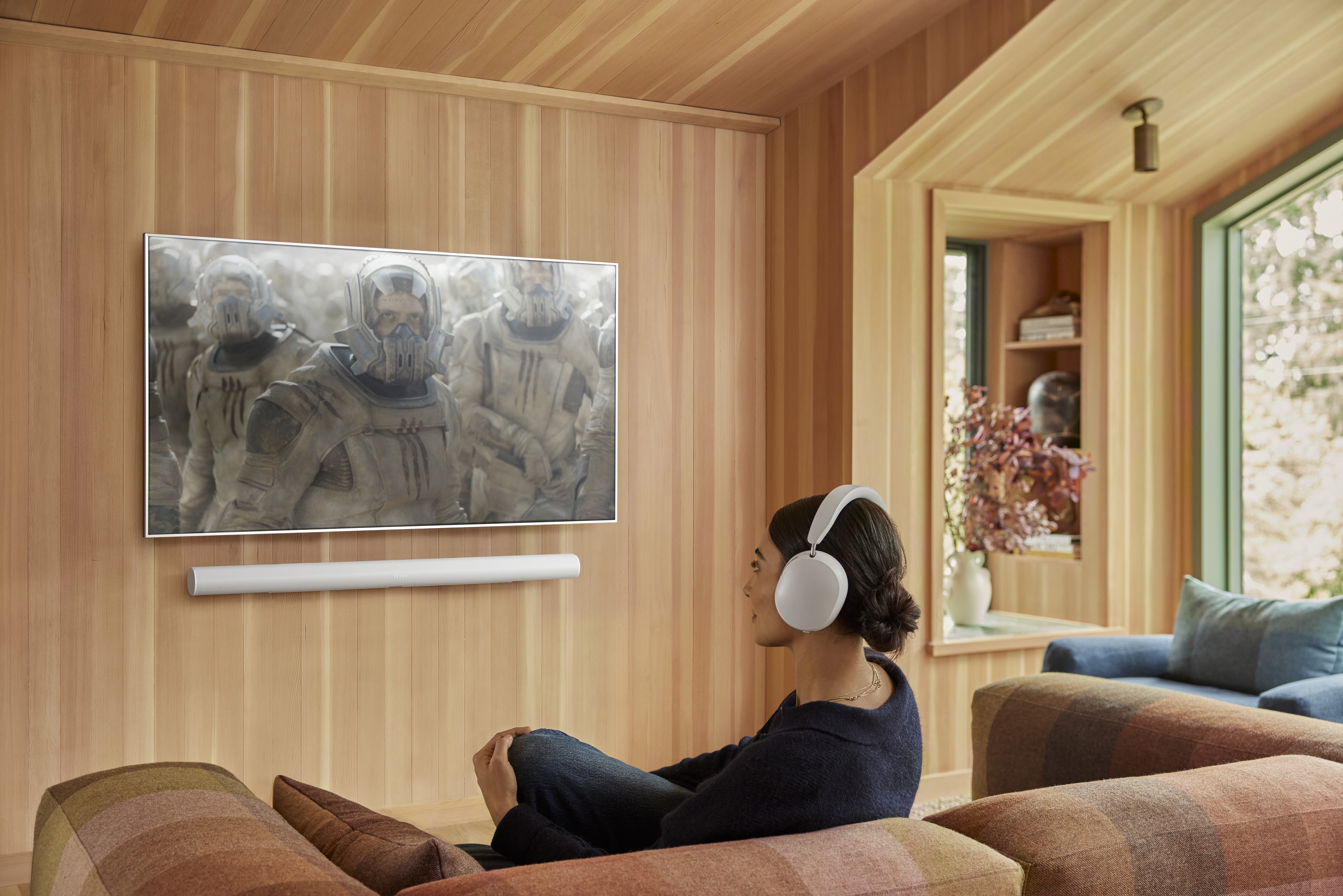
Plan your Sonos system with confidence
Use the Sonos Properly planner to build a system that fits your rooms and the way you listen.
- A tailored system plan that fits your rooms and listening style.
- A value-led alternative that respects budget without cutting corners.
- An Ultimate option for maximum impact and future flexibility.