Sonos speaker placement tips by room type
Published 2025-12-20
Speaker placement matters more than most people expect. The same Sonos speaker can sound clear and balanced in one position, then muddy or overwhelming just a metre away.
The good news is that you don’t need to measure angles, calculate reflections, or obsess over acoustics. Sensible placement choices, based on how each room is used, deliver the majority of the improvement.
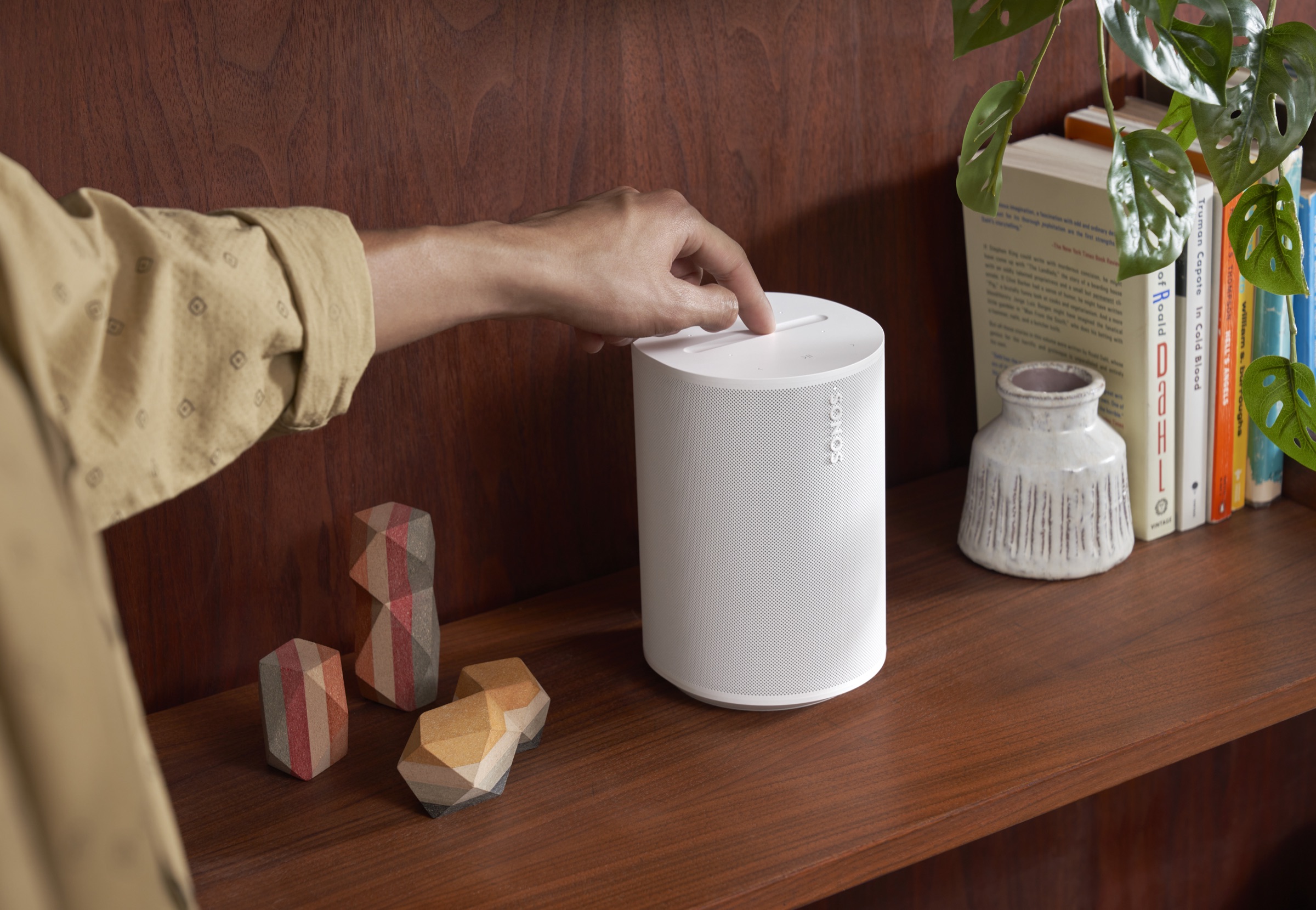
This guide breaks down practical Sonos speaker placement tips by room type, focusing on clarity, balance, and coverage rather than theoretical perfection.
Living rooms
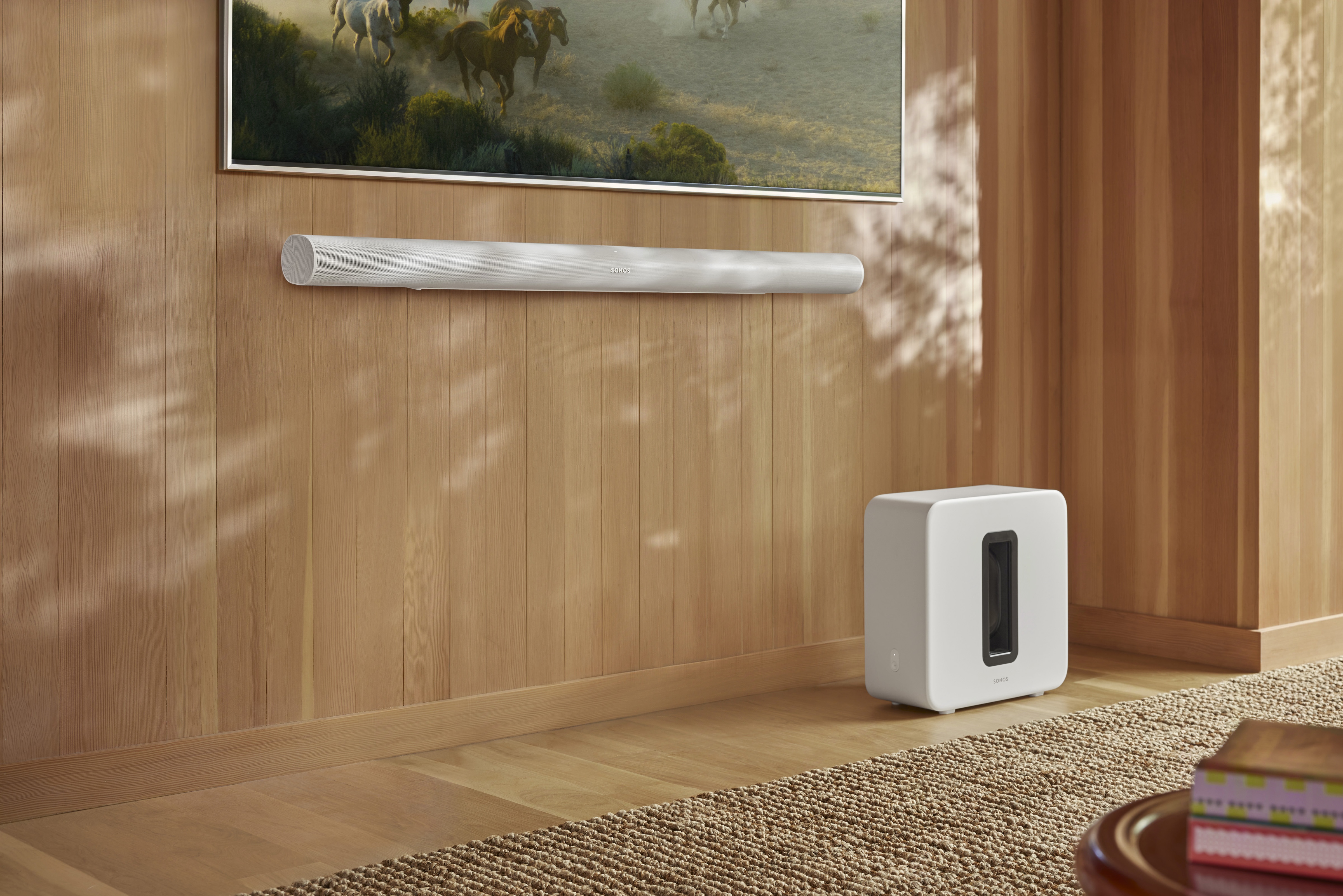
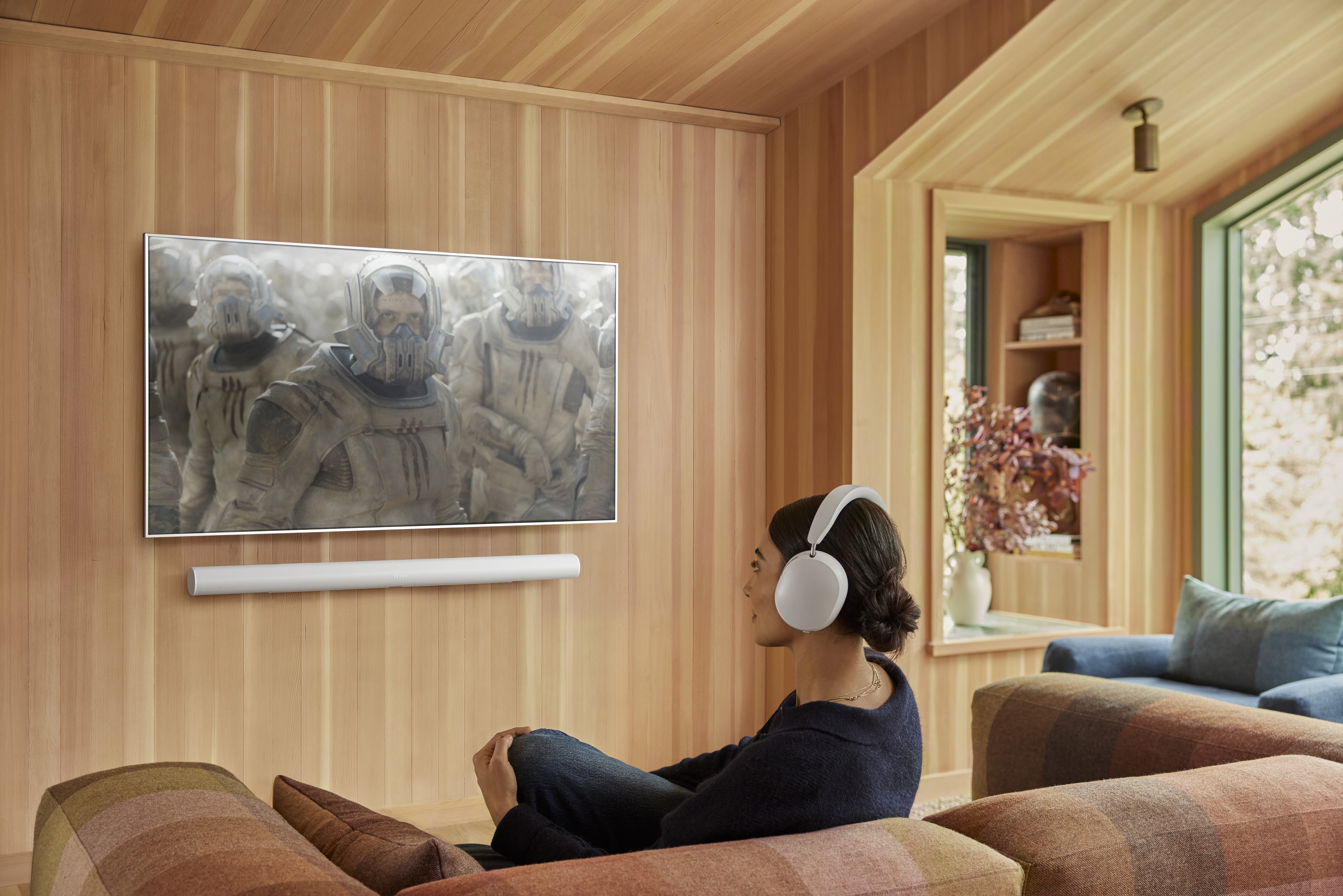
Living rooms often serve multiple purposes: TV, music, socialising, and quiet listening. Placement should reflect which of these matters most.
- If using a stereo pair, aim for symmetrical placement relative to the main seating position.
- Avoid pushing speakers tight into corners unless bass is lacking.
- Keep speakers at roughly ear height when seated, where possible.
Small adjustments here often make a noticeable difference, especially for music clarity.
Kitchens
Kitchens benefit from even coverage rather than precise stereo imaging. Sound should feel present without dominating the space.
- Place speakers higher to help sound travel over worktops and islands.
- Avoid corners to reduce boominess in hard, reflective spaces.
- In larger kitchens, two smaller speakers often outperform one large one.
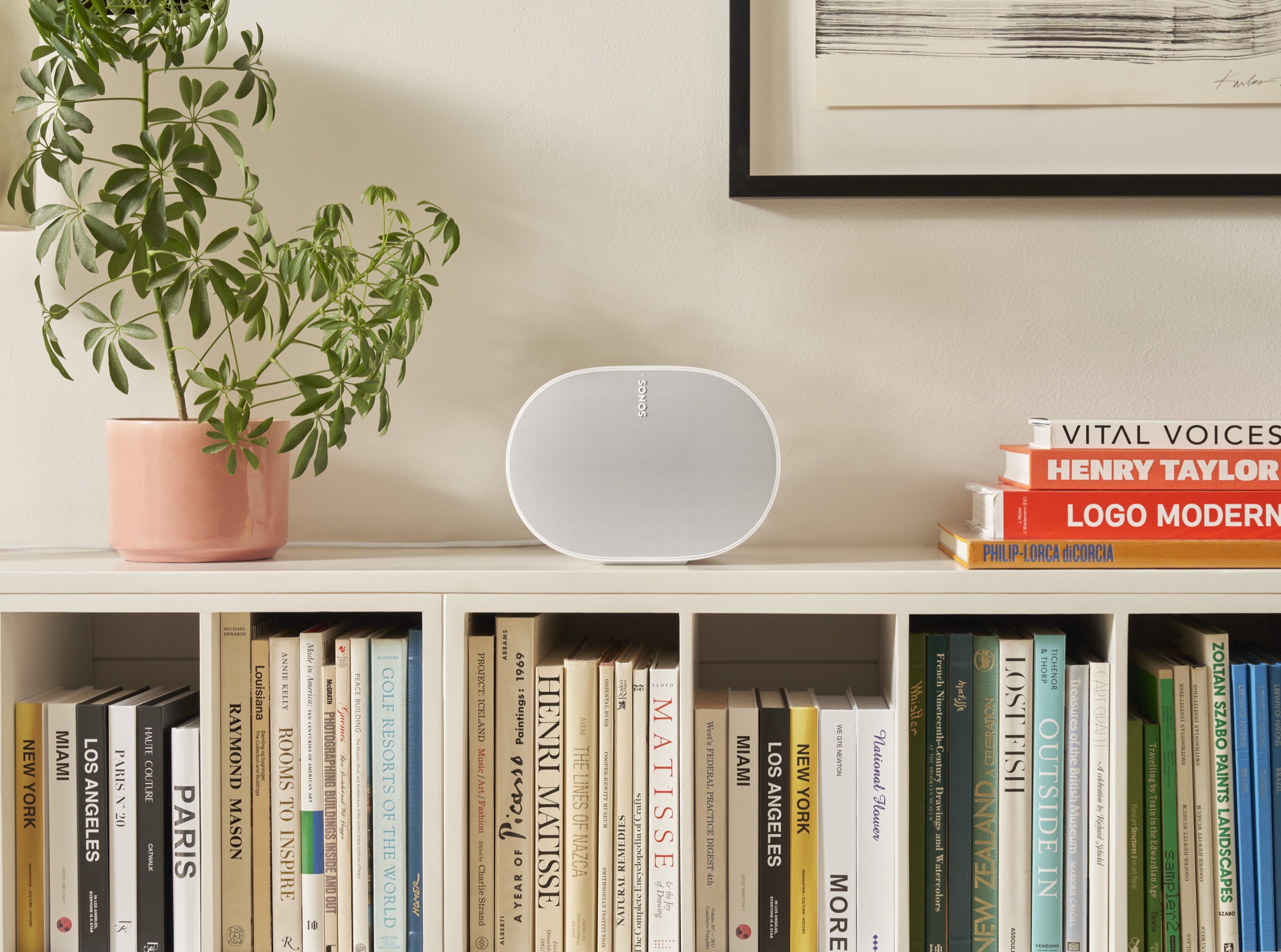
The goal is consistent sound wherever you’re moving, not a single “sweet spot”.
Bedrooms
Bedrooms are usually low-volume environments where clarity matters more than power.
- Place speakers closer to the listening position to avoid needing higher volume.
- Keep speakers away from headboards to prevent excessive bass resonance.
- Smaller speakers are often better suited to bedroom use.
If sound feels overwhelming, the speaker is usually too powerful or too far away.
Home offices
Offices tend to be more controlled listening environments, making placement simpler but more noticeable.
- Position speakers either side of the desk for balanced sound.
- Avoid placing speakers directly behind monitors where sound is blocked.
- Lower volumes benefit from closer placement.
Good placement here improves both background listening and focused work sessions.
Bathrooms and utility rooms
These rooms are usually about convenience rather than sound quality.
- Place speakers safely away from direct water and steam.
- Higher placement helps sound carry in smaller spaces.
- There’s little benefit in oversized speakers here.
Simplicity and sensible volume matter more than performance.
Open-plan spaces
Open-plan rooms are the most challenging spaces to get right. Placement should prioritise coverage and consistency.
- Multiple speakers spaced evenly usually outperform a single powerful speaker.
- Avoid placing all speakers on one side of the room.
- Think in zones rather than a single listening position.
Good placement reduces the temptation to overcompensate with volume.
If a Sonos speaker sounds disappointing, placement is often the issue rather than the hardware. Small changes can deliver large improvements without spending anything.
If you want help deciding not just where to place speakers, but which speakers actually make sense for each room, the Sonos Properly planner can help, room by room.
Ready for a plan you can trust?
Build a tailored Sonos setup in minutes. No guesswork, no overspend.
Plan your Sonos system with confidence
Use the Sonos Properly planner to build a system that fits your rooms and the way you listen.
- A tailored system plan that fits your rooms and listening style.
- A value-led alternative that respects budget without cutting corners.
- An Ultimate option for maximum impact and future flexibility.